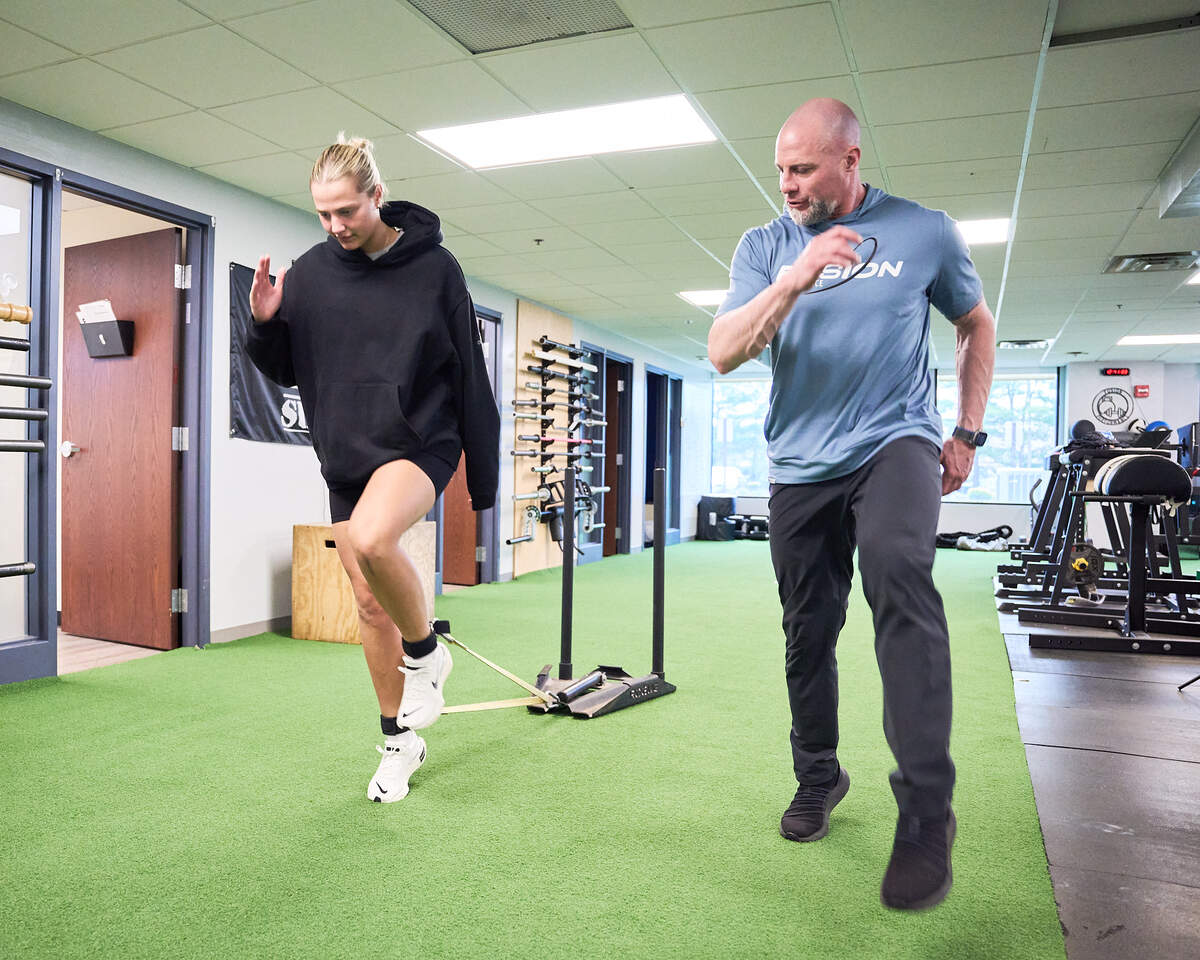
Joint Mobilization Techniques Can Restore Mobility & Decrease Pain After Workouts
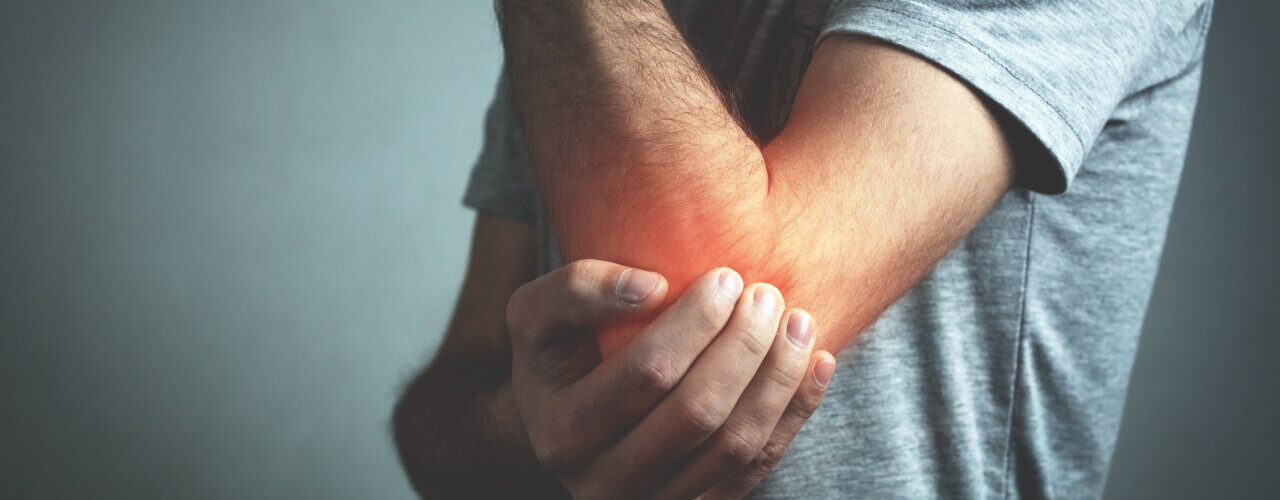

Let's face it, your joints just aren't treating you the way they used to. You might be dealing with the aftermath of an injury that has made it hard for you to get around the way you're used to. Or maybe you're just suffering from age-related arthritis, and everything is starting to hurt! This might be especially true for those of you who work out regularly and are finding it difficult to recover after you begin to cool down.
One thing is for sure, taking excessive amounts of over-the-counter painkillers and sitting around all day definitely isn't doing you any favors. If you want to start enjoying your life again without being limited by aches and pains in your joints, it's time to get serious about looking for a natural solution...physical therapy at Fusion Performance.
We've put together some super helpful information about joint mobilization and the importance of stretching after your exercise routine. To learn more or to schedule an appointment, call us today at our clinic in Chesire, CT!
If you want to understand how physical therapy can help you with your joint pain, you need to know why those symptoms are even happening to you!
Joint stiffness and pain can be caused by a variety of problems, but take, for instance, an acute sprain or strain. The joints, muscles, tendons or ligaments may be impaired, causing inflammation. This time of pain can be painful and render you totally inactive.
Soft tissue injuries don't always happen because of an accident. They can also develop slowly over months or even years. You might notice that the pain also ebbs and flows depending on the time of day.
Exercising without properly stretching, working certain sports, jobs, and even having specific hobbies can cause you to put excessive stress on certain joints over and over again, which could very well land you with a case of chronic tendonitis or bursitis!
Can you believe that it's possible to develop soft tissue pain from doing absolutely nothing? It's strange but true. Take, for example, this condition called adhesive capsulitis, otherwise known as "frozen shoulder." If you've had to wear a sling for a while, this is an uncomfortable condition you could end up having that can render your shoulder useless for quite some time.
Osteoarthritis, more commonly known as arthritis, is the most frequent condition that causes pain and stiffness. This condition can affect anyone at any age, but is most often found in older patients and stems from age-related deterioration of the cartilage between the bones in a joint. Osteoarthritis isn't the only one to look out for though. Rheumatoid arthritis is another painful, damaging joint condition caused by autoimmune issues.
There are so many ways to develop joint aches and pains; the list is never-ending! Thankfully, there are also many different kinds of physical therapy that can address these symptoms, extend your range of motion, and ease your pain.
Our physical therapists will start by evaluating your condition carefully, examining your overall health and physical activities, as well as how often you experience your symptoms. Proper examination of the joint and of your ability to move it can show your therapist exactly what the underlying problem is, and help them create a more customized treatment for you.
Certain types of physical therapy may be recommended to you. Here are a few:
Kiss your days of dealing with joint pain (and difficult workout recovery periods!) goodbye. You don't have to live this way!
With the help of physical therapy, your life can drastically improve.
So what are you waiting for? Contact Fusion Performance in Chesire, CT today to set up your own consultation with one of our licensed physical therapists. They're eager to meet with you and help you figure out what works best for you when it comes to maintaining your physical health!
Join Fusion Physical Therapy & Sports Performance in Cheshire and Southington, CT, for personalized training and rehabilitation.