6 Ways To Mix Up Your Workout To Improve Your Health and Wellness


It's easy to get into a rut or hit a plateau when you do the same exercise routine repeatedly. Every time you complete the same routine your body becomes more adept at handling it. You're not pushing yourself. There's no challenge. This ultimately means you'll start burning fewer calories, Which defeats the purpose of your workout!
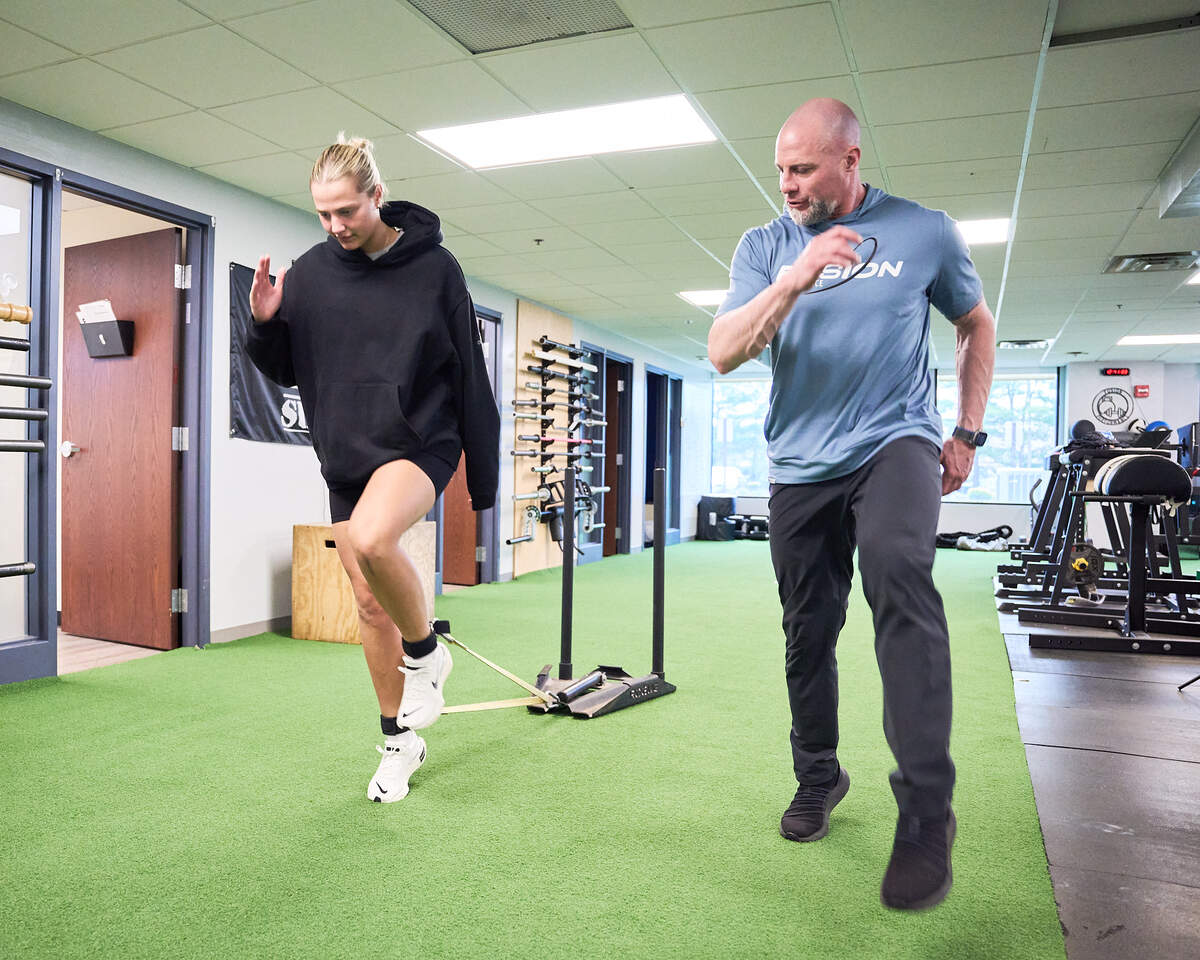
There are several things you can do to change your workout and ultimately improve results. Our clinic has listed six ways to change your exercise routine to improve your health and wellness.
Stretching exercises are a staple of physical therapy for many reasons.
You may have heard that stretching "cold" muscles aren't ideal—which is true. Our bodies need to be adequately warmed up before stretching—otherwise, we increase our risk for injury and tissue damage.
This doesn't mean you should never stretch at all before a workout, however. A simple 5-minute warm-up such as light jogging, brisk walking, and arm circles, and leg swings is usually sufficient to get your joints and tissues warmed up and prepared for mobility work.
For many folks, dynamic stretches are the most effective for pre-workout mobility. Meanwhile, they'll save static stretches and foam rolling for after the workout.
Are you wondering what works the best for you? Our Manual therapy staff is happy to help you problem-solve and figure out the best routine for your body.
Doing the same exercises can still work if you mix things up a bit. If you jog and then swim laps in the pool, try swimming first and add a new swim stroke.
Even changing how many reps, you do when lifting can make a difference. A Wellness report from U.S. News states that you should switch your routine around every 6 to 12 weeks for the best results.
Interval training involves alternating periods of high activity with times of less intense activity. Sprinting for 30 seconds, running for 2 minutes, and alternating back and forth for the duration of your workout is an examples.
It's feasible to mix high- and low-intensity periods into any workout plan. Interval training, according to Shape, will help you burn more calories during your workout and raise your metabolism for up to 48 hours afterward.
Switch from jogging to swimming laps in the pool if you usually jog. If you prefer high-impact aerobics, try a spin class instead. You might wish to pair up with a partner to keep motivated.
Finding someone to go for a jog with, play a game of tennis with, or simply make sure you both attend the same aerobics class will help you stick to a new routine.
While switching up your activity will keep you motivated and help you burn more calories, it may also cause new aches and pains. Physical therapy can be extremely beneficial in easing you into a new habit.
Physical therapy can help everything from building muscle strength to avoiding surgery when injuries occur. Contact us today to learn more!
As any athlete may know, nothing is worse than having to put your training on hold due to an unexpected injury. That's why physical therapy for prevention is so important - your physical therapist can help you fix problem areas before they become an issue.
Your physical therapist will be able to examine your movements during the sport and spot any bad habits. This will aid in the prediction of injuries and the development of measures to prevent them.
Many of your treatment programs in physical therapy for preventative measures will focus on strength and endurance training, so you can ensure that any areas of concern are as strong as possible. It will also concentrate on form and technique, allowing you to pinpoint any possible problems and correct them before they worsen.
EMOMs stand for “Every Minute on the Minute.” For example, if you want to do an EMOM workout for 10 minutes, you can designate the even numbers for a specific exercise (such as squats), and then the odd numbers for a different specific exercise (such as pushups). That way, you are alternating between the same exercises, doing each for a full minute each time until the clock stops.
AMRAPs stand for “As Many Reps as Possible.” The name itself is pretty self-explanatory – basically, you are trying to do as many reps of a specific exercise as possible, in a predetermined period of time. For example, if you want to do an AMRAP workout for 5 minutes and you want to work on squats, you will try and do as many reps of squats as you can in a 5-minute time frame.
Are you ready to change up your workout routine? Looking for more assistance? We can help! You're in good hands here.
Contact Fusion Performance today to get started and to learn more information about our training programs.
Join Fusion Physical Therapy & Sports Performance in Cheshire and Southington, CT, for personalized training and rehabilitation.